Understanding Casino Operations
Casinos operate on the principle of probability, a fundamental aspect of gambling that ensures the house always has an edge. This edge is calculated through a variety of mathematical formulas that account for the outcomes of games, ensuring that over time, the casino makes a profit. For instance, in games like roulette and blackjack, odds are set in such a way that while players can occasionally win, the likelihood of the house winning is always higher in the long run. Many players enjoy the thrill of betting on their favorite games, particularly those who love the best online pokies australia payid experience, where chance meets excitement. This systematic approach to game design is often misconstrued as rigging.
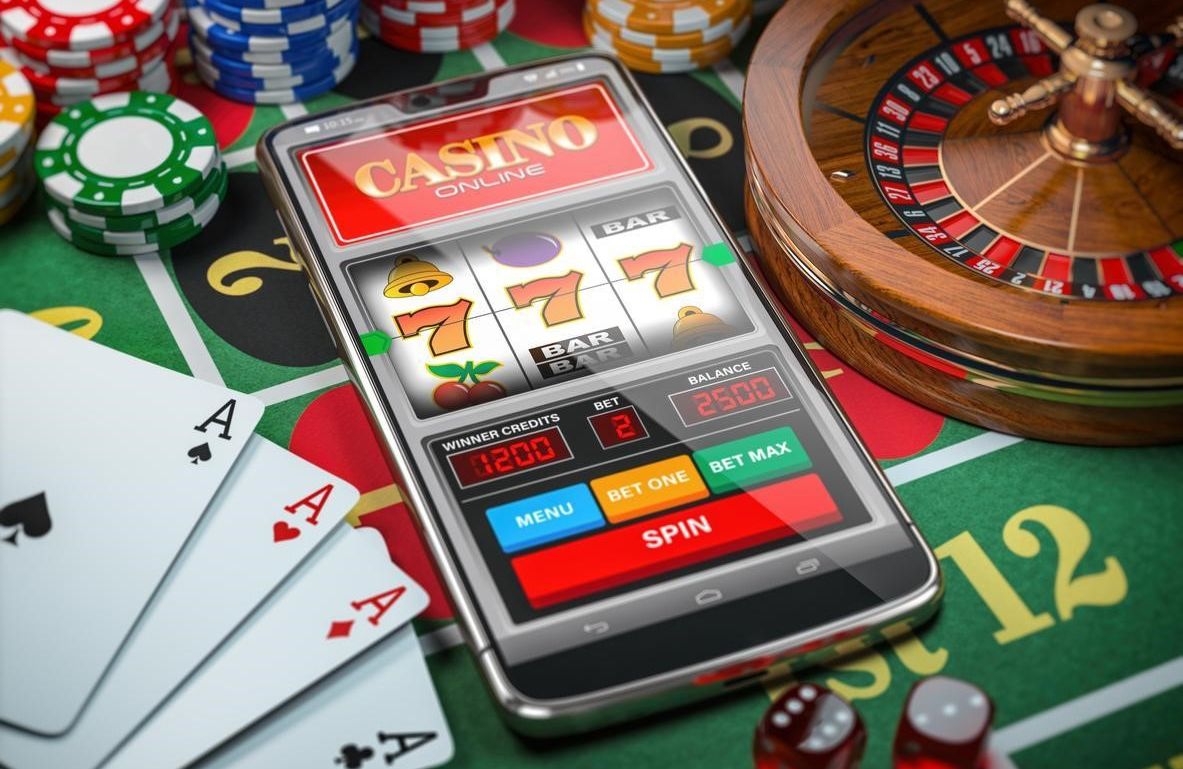
Moreover, casinos are heavily regulated by governmental authorities to ensure fair play. Each game is required to operate with a specific return-to-player (RTP) percentage, which dictates how much of the money wagered will be returned to players over time. This regulatory framework is intended to protect players and ensure that games are not manipulated in favor of the house beyond the established margins. Thus, understanding the operational guidelines helps demystify the misconception that casinos are rigged against players.
The equipment used in casino games, such as slot machines and card shuffling devices, undergoes rigorous testing and certification processes. Independent agencies frequently audit these machines to ensure compliance with industry standards. For players, this means that games are fair and outcomes are random, based on chance rather than deceitful practices. Education on these practices can help alleviate fears surrounding the integrity of casino operations.
The Myth of Rigged Games
The idea that casinos rig their games is a prevalent myth fueled by anecdotes and personal experiences of players. While it can be easy to blame the house for a losing streak, it is essential to recognize the role of chance in gambling activities. Every game is designed to be random, and the outcomes are influenced by numerous variables, including the player’s decisions and luck. Statistically, players will sometimes win, but the odds are structured to favor the casino, not through rigging but through established probabilities.
This myth is further perpetuated by the occasional use of faulty machines or instances where players feel the games are not working correctly. However, these scenarios are often isolated incidents rather than indicators of systemic fraud. Smart players often utilize strategies based on understanding the game mechanics instead of attributing their losses to rigging. By adopting a logical approach and setting realistic expectations, players can navigate the casino environment without falling prey to misconceptions.
The belief that casinos manipulate results can also create a paradoxical effect, causing players to become more superstitious about their gaming choices. This mindset can lead them to make irrational decisions, such as avoiding certain machines or games they perceive as “unlucky.” It is vital to recognize that while individual results may vary, they do not reflect an overall pattern of rigging, but rather the inherent risks associated with gambling.
The Role of House Edge
The house edge is a critical concept that every player should understand when engaging in casino games. This mathematical advantage given to the casino ensures that it will remain profitable over a period of time. For example, in games of chance, the house edge can range from as low as 1% in blackjack to as high as 25% in certain slot machines. This doesn’t imply rigging; it simply indicates the reality of probabilities and the design of each game.
Educating players about the house edge allows them to make informed decisions about where to place their bets. Knowing the metrics of various games helps players identify which ones offer better odds, thus reducing the misconception that they are being intentionally robbed. Understanding the math behind the games helps demystify the notion of rigging, emphasizing instead the importance of strategy and knowledge in the player’s favor.
Additionally, it is essential to highlight that skilled players can use the house edge to their advantage, particularly in games like poker, where skill plays a significant role in outcomes. Successful poker players understand the intricacies of betting patterns and probability, enabling them to outperform their opponents regularly. Thus, the focus should not solely be on the casino’s statistical advantage but also on how players can enhance their skills to mitigate losses and improve their gaming experience.
Common Misconceptions About Payouts
One widespread misconception is that casinos can control when a slot machine pays out. Many players believe that these machines are programmed to have specific payout windows, leading them to assume that the casino can dictate when someone wins or loses. In reality, slot machines use random number generators (RNGs) to determine results on each spin, making every outcome entirely independent of past results.
The misunderstanding surrounding payout percentages is another source of confusion. Many individuals believe that a machine that hasn’t paid out in a while is “due” for a big win. However, due to the nature of RNGs, this is not the case. Each spin is an isolated event, meaning that previous outcomes have no bearing on future ones. This understanding can help players approach slot machines with a clearer mindset, dispelling the idea of pre-programmed outcomes.
Furthermore, the concept of return-to-player percentages can also be misinterpreted. Many players think that a 95% RTP implies that they will win 95 cents on the dollar every time they play, which is misleading. Instead, the RTP is calculated over a vast number of plays, meaning individual sessions may vary widely from this average. Acknowledging this statistic as a general guide rather than a guarantee can lead to more responsible gambling behaviors and realistic expectations.
Resources for Responsible Gambling
For players looking to engage in gambling activities, it is crucial to seek out reliable information and resources that promote responsible play. Numerous organizations and websites provide guidance on understanding the odds, managing bankrolls, and recognizing the signs of gambling addiction. By prioritizing education and self-awareness, players can approach gaming as a form of entertainment rather than a means to financial gain.
Many casinos also invest in responsible gambling programs to assist patrons in making informed choices. These programs often include features such as self-exclusion options, spending limits, and educational materials on recognizing unhealthy gambling behaviors. By engaging with these resources, players can support their gaming interests while ensuring they are not negatively impacted by myths and misconceptions.
Finally, creating a community of informed players can greatly enhance the gambling experience. Sharing knowledge and experiences not only debunks myths but also fosters a more transparent gaming environment. Players can support one another in understanding the realities of casino gaming and making sound decisions, contributing to a healthier and more enjoyable gambling culture overall.
